DISC BLADES AND BAND BLADES FOR METAL BARS, TUBES AND PROFILES IN THE MOST DEMANDING INDUSTRIAL APPLICATIONS.
SOLUTIONS FOR CUTTING WITH BLADES
Precision, productivity, and technical advice at the service of your process.
Choose the right blade and get the most out of your machines.
products
industrial blades for specific applications
GL Trading offers blade cutting solutions designed to meet the needs of companies working with metals, rods, tubes, and profiles. The range includes disc blades and band saw blades for ferrous materials, alloy steels, stainless steels, superalloys, and non-ferrous materials.
Choosing the right blade depends on several factors: material characteristics, workpiece geometry, machine type, production volumes, and the quality of the desired result. For this reason, GL Trading offers a technical consulting service alongside the supply of tools, helping to define the most suitable configuration and identify working parameters consistent with the application.
SOLUTIONS and materials from the GL TRADING RANGE
licks a disc
Ideal for precise and repeatable cuts
- Excellent cutting precision on bars, tubes and profiles;
- High quality finishes with reduced bars;
- High performance on intensive production cycles.
band saw blades
versatility and reliability in every application
- Flexible solution for solid, tubular and profile sections;
- Ideal for precision cuts and complex geometries;
- Wide range of teeth and materials.
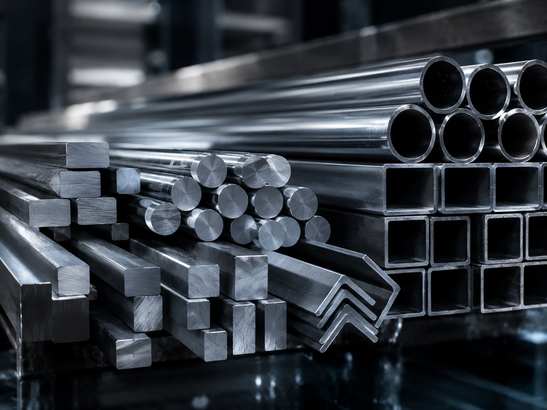
standard and alloy steel
Blades for standard and alloy steels are suitable for numerous metalworking processes. They can be used for bars, solid components, tubes, and profiles of various thicknesses.
To identify the correct solution, it's necessary to evaluate the material's hardness, the cross-section to be machined, and the cycle frequency. Chip formation also provides useful information on the effectiveness of the selected parameters.
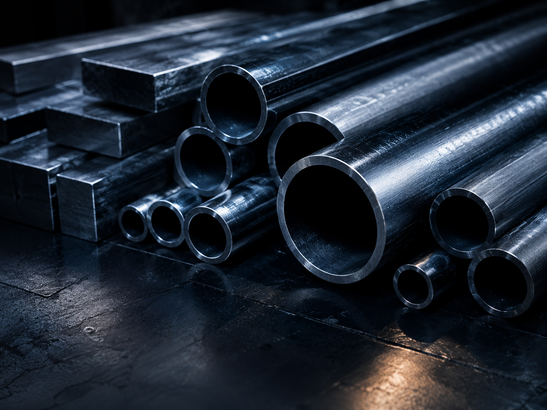
superleghe
Superalloys require tools capable of machining materials with high mechanical and thermal resistance. In these applications, heat and friction control become particularly important.
The choice of gearing must be accompanied by proper management of speed and cutting fluid. Excessively high parameters can accelerate wear, while overly conservative settings can make the cycle inefficient.
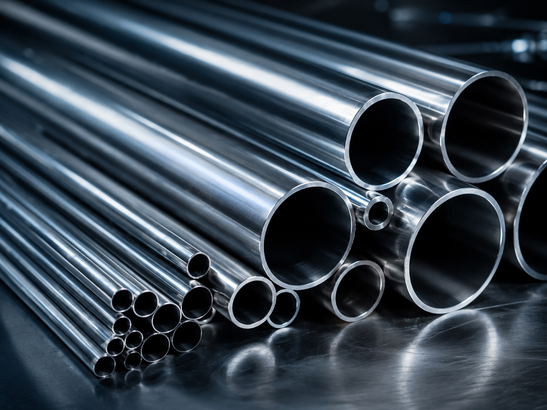
stainless steel
Stainless steel tends to generate heat and can undergo work hardening during cutting. Dedicated blades must therefore ensure good chip evacuation and maintain continuous penetration into the material.
These solutions are used for pipes, technical components and parts intended for sectors where corrosion resistance and precision are particularly important.
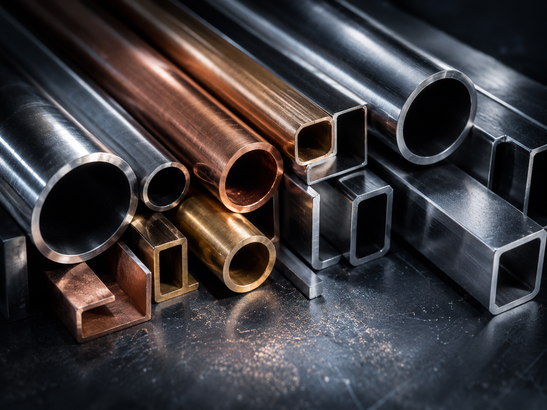
non-ferrous materials
Aluminum, copper, and other light alloys require tools designed to reduce material adhesion to the teeth and promote chip discharge.
The blade geometry must be chosen considering the thickness, shape, and level of finish required. Clamping stability is also crucial to prevent movement of the workpiece during machining.
workable shapes and cutting types
roundabout
square
rectangular
hexagonal
full cut
In a full cut, the blade passes through a continuous section. The number of teeth engaged progressively increases, and the tool must remain stable throughout the entire operation.
It's important to choose a pitch that can handle the volume of chips produced. A pitch that's too fine could make chip evacuation difficult, while a pitch that's too large could generate high stresses on individual teeth.
Full-cut blades are available for different materials and diameters, with configurations selected based on the productivity and precision required.
tubular cutting
Tubular cutting presents different operating conditions than solid cutting. The blade alternates between metal walls and empty spaces, undergoing frequent load variations.
To achieve a more stable process, it's necessary to evaluate the wall thickness, the tube diameter, and the presence of one or more elements in the bundle. The clamping must also prevent movement and vibration during the blade's descent.
The solutions can be used for round tubes, square profiles and rectangular sections, selecting teeth compatible with the number of walls crossed.
technical consultancy
how to choose the right blade
GL Trading analyzes your application and supports you with tests, technical data, and production follow-up. Our goal: maximize performance and reduce overall costs.
material and hardness
Analysis of material characteristics.
shape and size of the piece
Geometries, thicknesses and tolerances to be respected.
full and tubular cut
Definition of load type.
machine and parameters
Machine features and settings.
tube coolant fluid
Choosing the most suitable fluid for the process.
capacity and expected duration
Productivity and tool life targets.

LET'S FIND TOGETHER the most suitable blade for your process
Contact us to find the blade cutting solutions best suited to your materials, machined shapes, and production cycles.
Qual è la differenza tra lame a disco e lame a nastro?
Le lame a disco sono spesso utilizzate per cicli rapidi, precisi e ripetitivi. Le lame a nastro offrono maggiore flessibilità per il taglio di pieni, tubi e profili di dimensioni differenti.
Quali materiali possono essere lavorati?
La gamma comprende lame per acciai standard e legati, acciai inossidabili, superleghe, alluminio, rame e altri materiali non ferrosi.
Quale lama è più adatta al taglio tubolare?
Dipende dallo spessore delle pareti, dal diametro e dalla forma del tubo. La dentatura deve gestire correttamente l’alternanza tra materiale e spazi vuoti.
È possibile tagliare barre esagonali?
Sì. Le lame possono essere selezionate per sezioni rotonde, quadrate, rettangolari ed esagonali, valutando materiale, dimensioni e macchina.
GL Trading offre assistenza nella scelta?
Sì. Il servizio comprende l’analisi dell’applicazione, la selezione della lama e il supporto nella definizione dei principali parametri di lavoro.